- Successdelta
- Posts
- How to Apply Atomic Habits to Your Daily Life
How to Apply Atomic Habits to Your Daily Life
Unleashing the Power of Incremental Changes for a Better You

Tyler Gibbs
February 07, 2023

This newsletter is inspired by the best-selling book "Atomic Habits" by James Clear. If you're looking for a way to make lasting change without feeling overwhelmed, you've come to the right place!
Here's how you can start incorporating atomic habits into your daily life:
Identify your existing habits: What do you do every day without even thinking about it? This will help you identify the habit loop you're already in.
Set clear, specific goals: What do you want to achieve through the use of atomic habits?
Create a plan: Decide what small changes you want to make and how you're going to make them. Consider how you can use the habit loop to your advantage.
Put your plan into action: Start tracking your progress and see how far you've come. Celebrate each small victory along the way.
Apply atomic habits to various areas of your life: Examples include health and wellness, career and productivity, relationships and communication, and personal finance and spending.
Overcome obstacles and stay motivated: Surround yourself with positive people, and keep your end goal in mind. Remember that small, consistent changes over time lead to big results.
Incorporating atomic habits into your daily life can lead to big results in the long run. By focusing on small, incremental changes and harnessing the power of the habit loop, you'll find that change becomes much more manageable and sustainable.
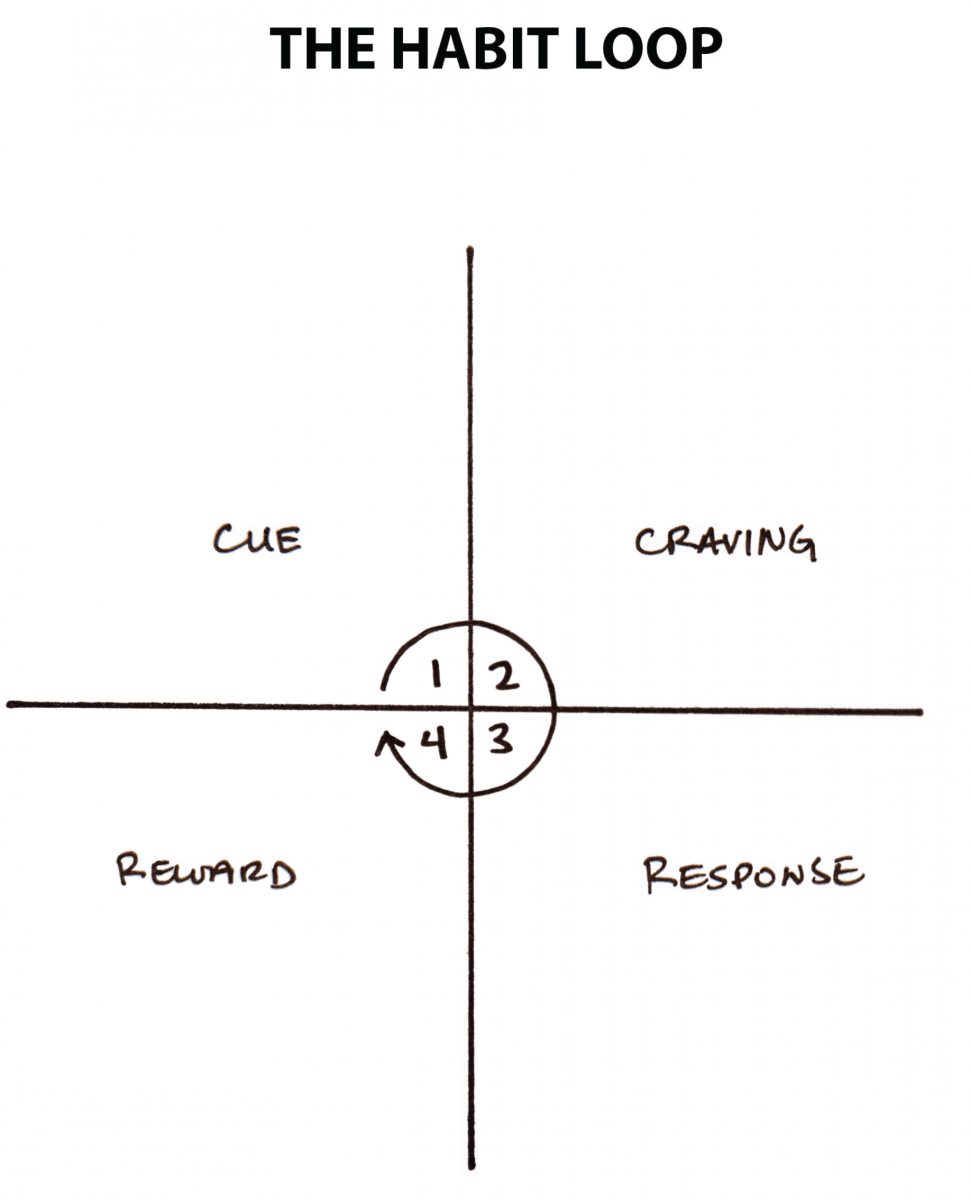
In "Atomic Habits," James Clear outlines the concept of the habit loop, which involves cue, craving, response, and reward. By understanding and harnessing the habit loop, you can make small, incremental changes that can have a big impact on your life over time.
Now, let's dive deeper into the concept of the habit loop. The habit loop consists of the following four components:
Cue: This is the trigger that initiates the habit. It could be something as simple as the time of day or a specific location.
Craving: This is the motivational force behind the habit. It's the feeling you get when you want to do something.
Response: This is the actual habit that you perform. It's the behavior you repeat in response to the cue.
Reward: This is the benefit you receive from performing the habit. It reinforces the behavior and makes it more likely that you'll do it again in the future.
So, now that you understand the habit loop, you can use it to your advantage by creating habits that serve you, rather than habits that hold you back.